SAFEPRO Vertical Lifeline
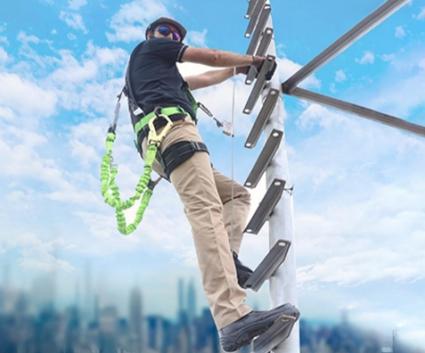
A vertical lifeline is an essential fall protection system designed to enhance worker safety when climbing existing structures such as ladders, rungs, towers, or similar access points. It is widely used across industries like construction, telecom, utilities, manufacturing, and maintenance, where workers must ascend or descend elevated positions. By adding a reliable safety mechanism to structures that may not have built-in fall protection, a vertical lifeline significantly reduces the risk of slips, falls, and serious accidents.
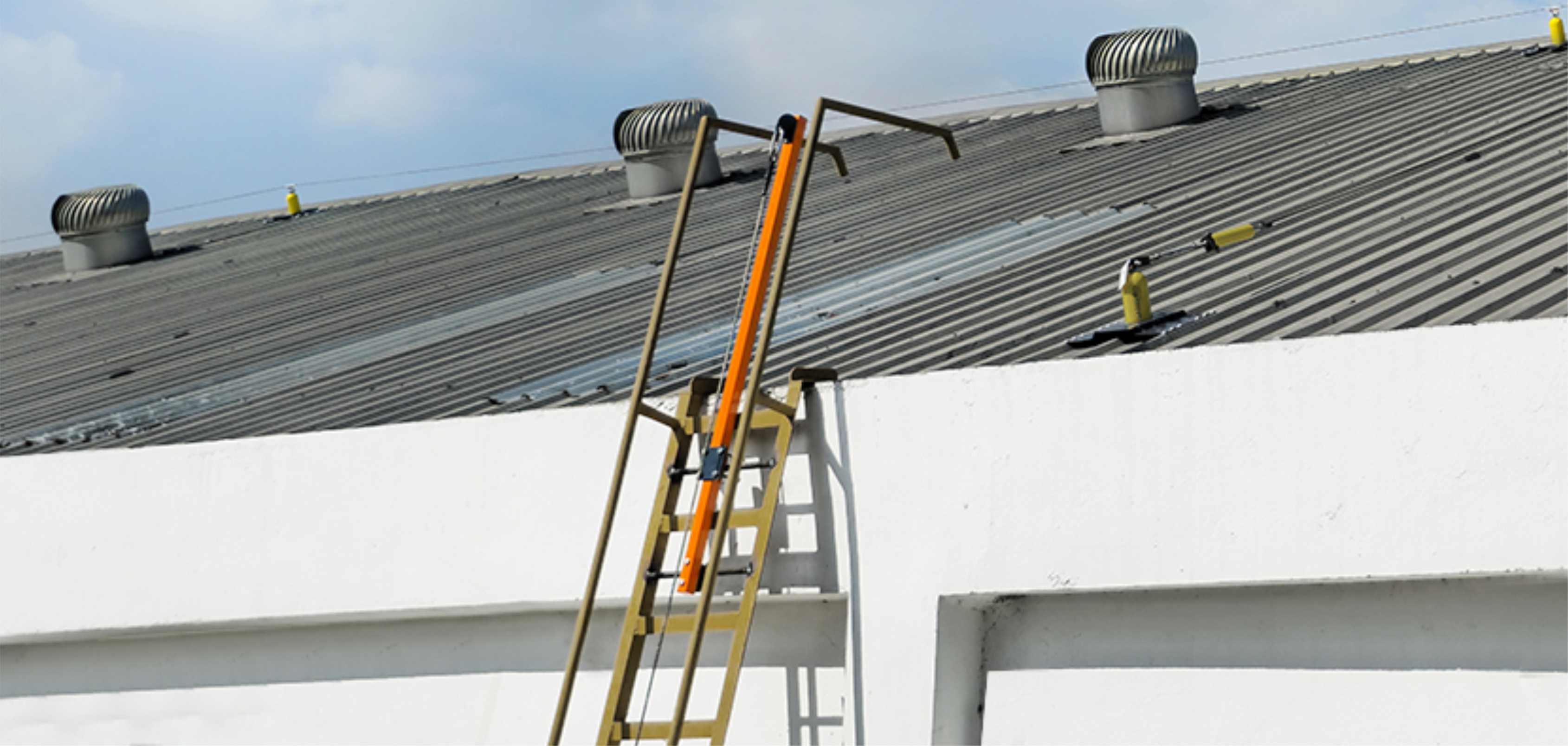
The system typically consists of a vertical cable or rope that is securely anchored at the top of the structure. Workers attach themselves to this line using a guided-type fall arrester or similar connecting device. This setup allows the user to move freely up and down while remaining continuously connected to the lifeline, ensuring that any sudden fall is immediately arrested and the force is safely absorbed.
Vertical lifelines are valued for their simplicity, adaptability, and high level of protection. They can be retrofitted onto existing climbing devices without major structural modifications, making them ideal for both new installations and upgrades to older systems. By offering secure vertical access, controlled movement, and dependable fall arrest capabilities, vertical lifeline systems provide a critical layer of safety for personnel working in elevated or confined vertical paths.
Terminology
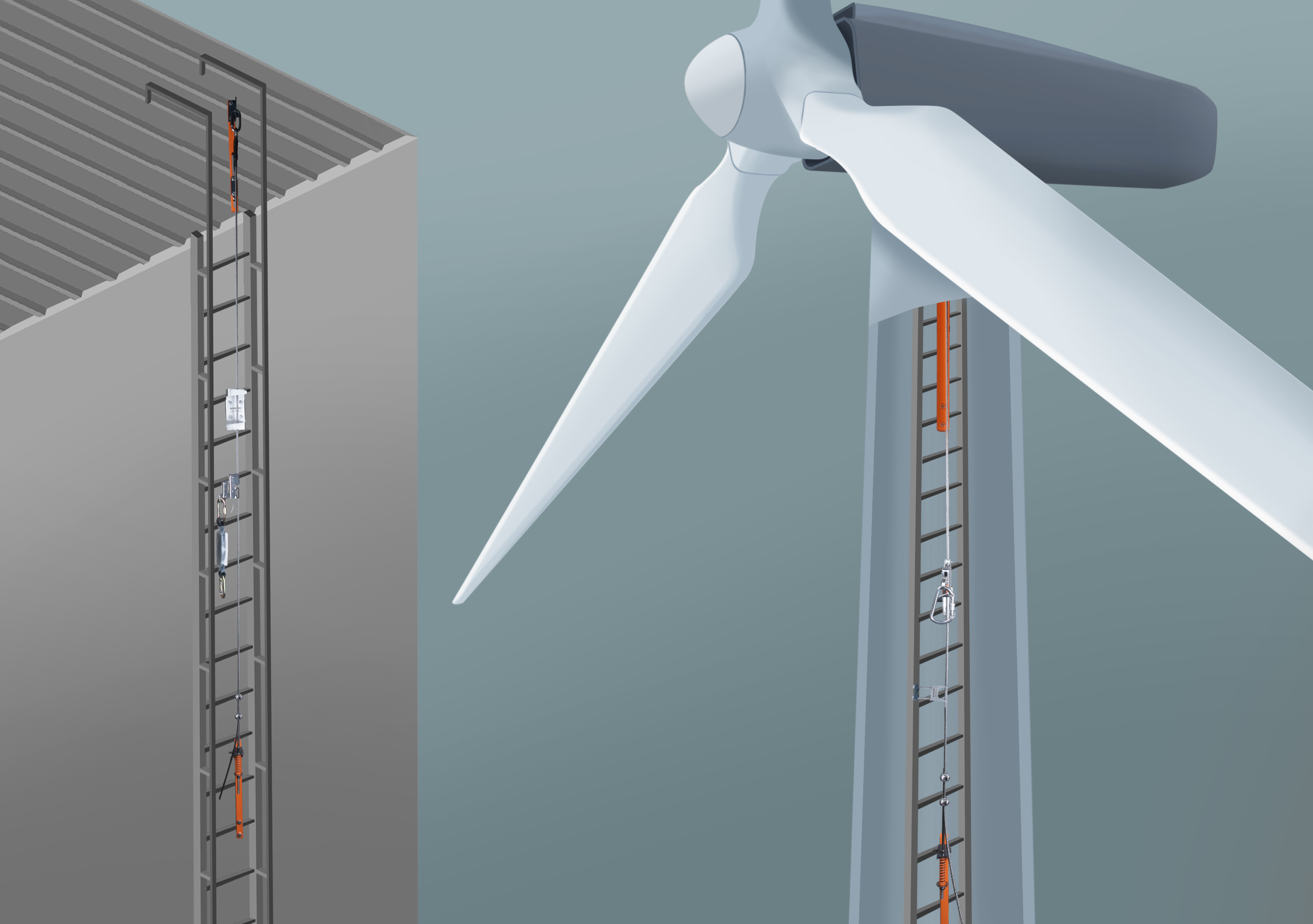
Components
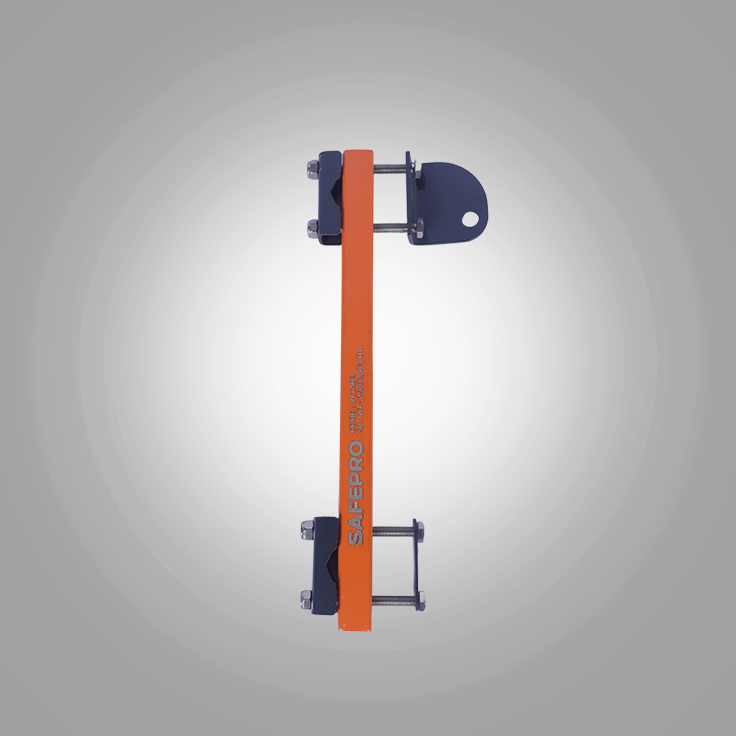
Top Bracket
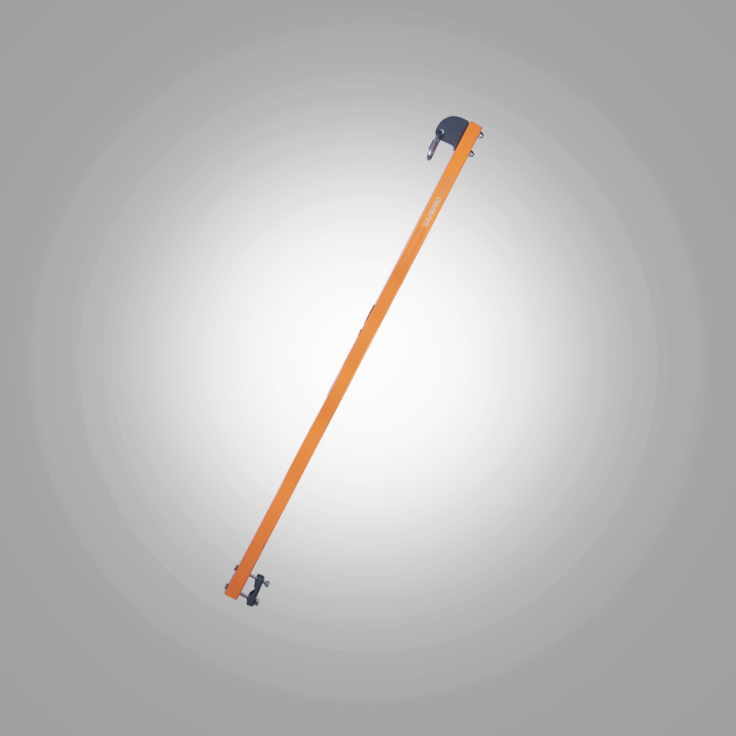
Extended Bar
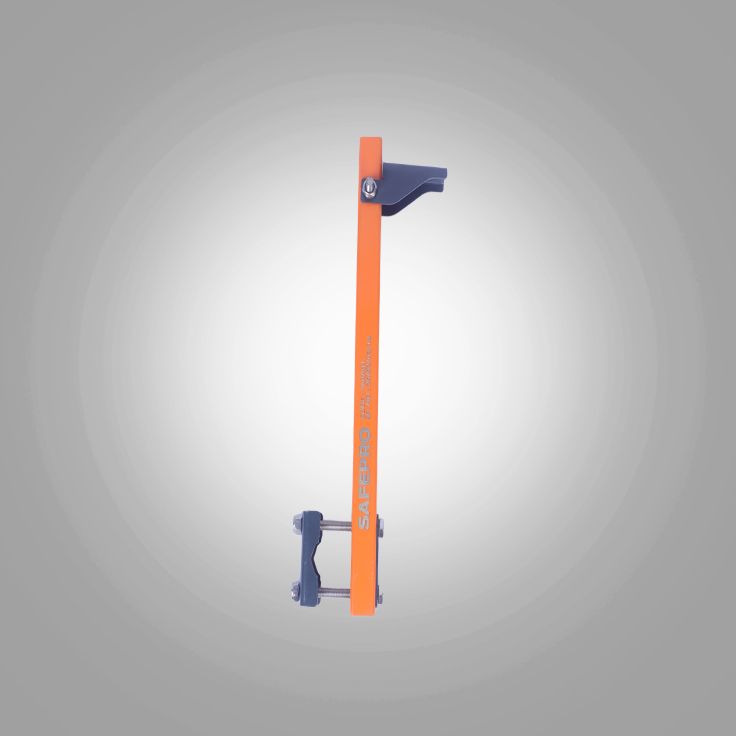
Bottom Bracket
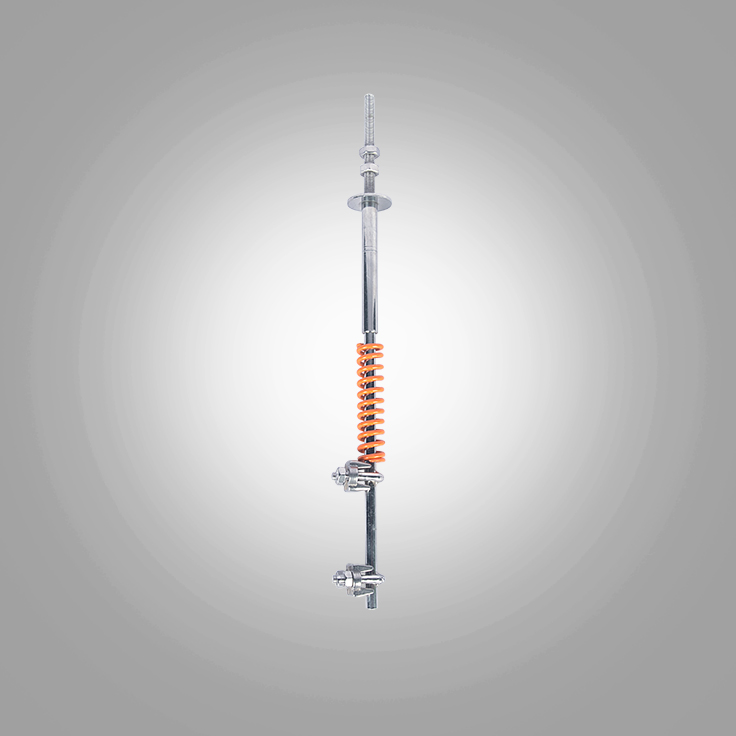
Tensioning Stud
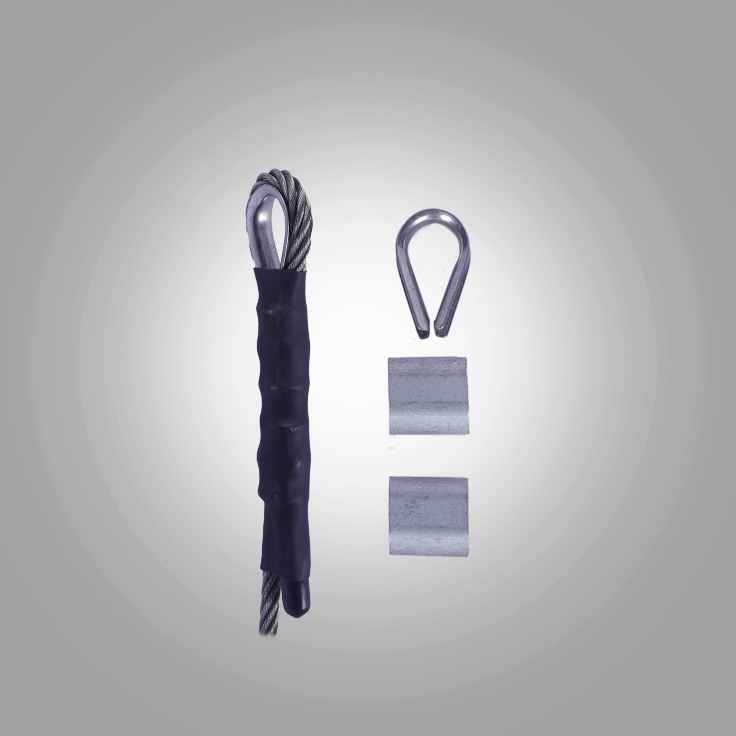
Cable Extremity
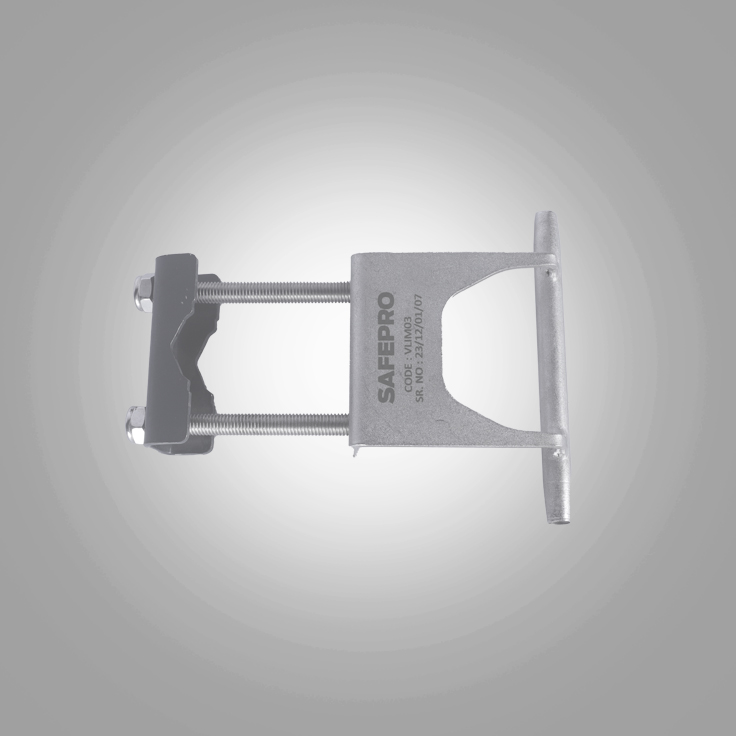
Advanced Intermediate Bracket
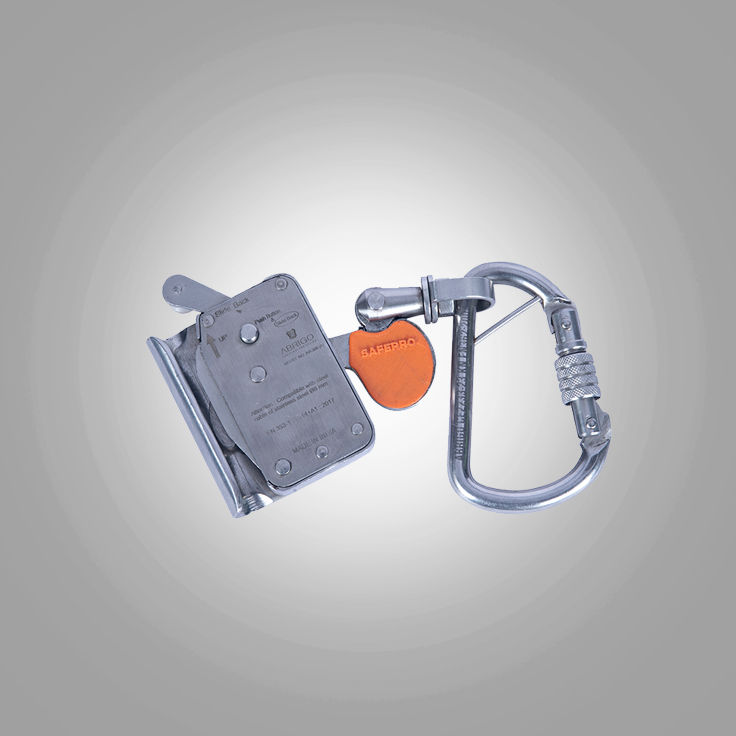
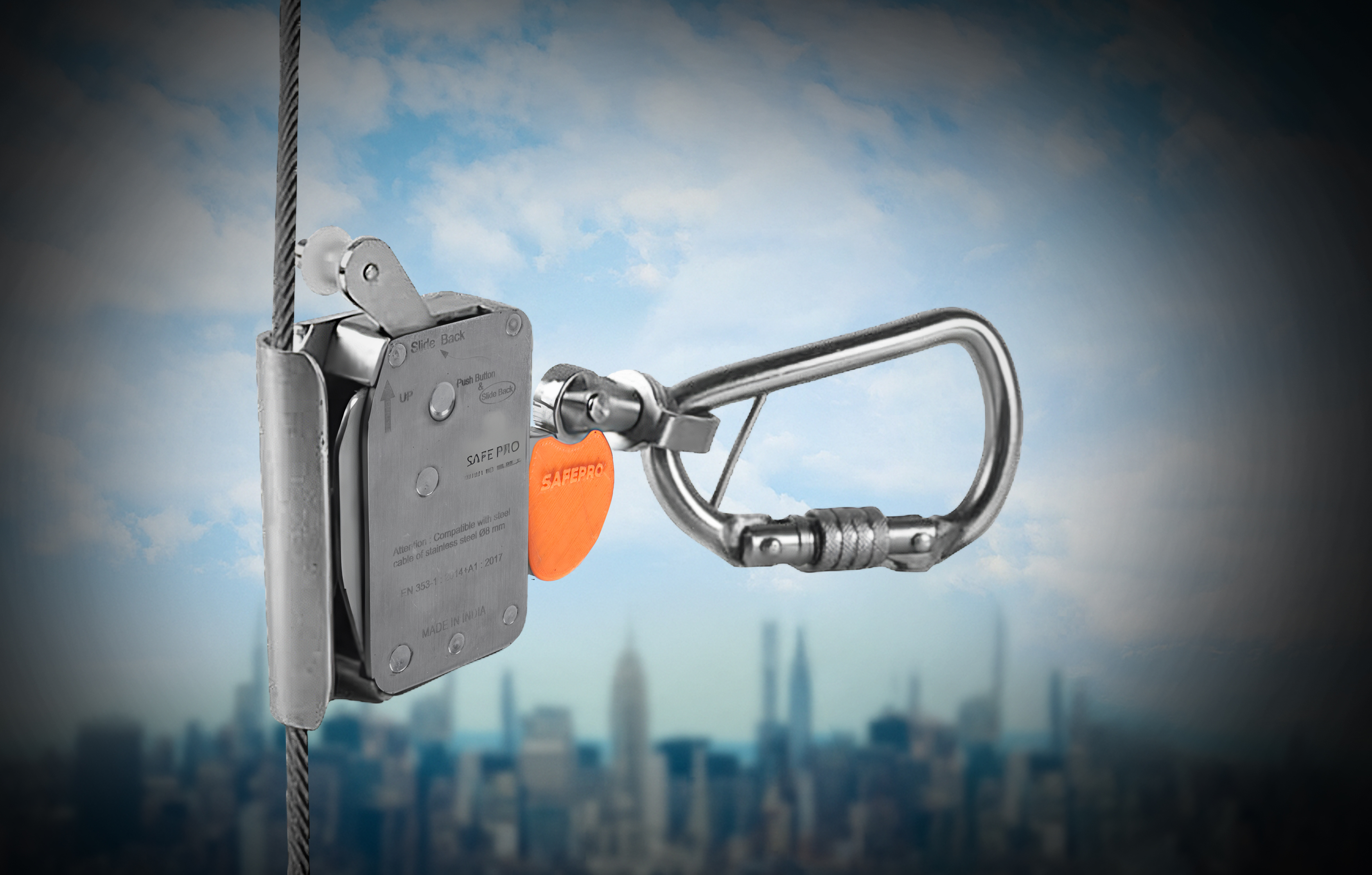
Automatic Pass Through Fall Arrester
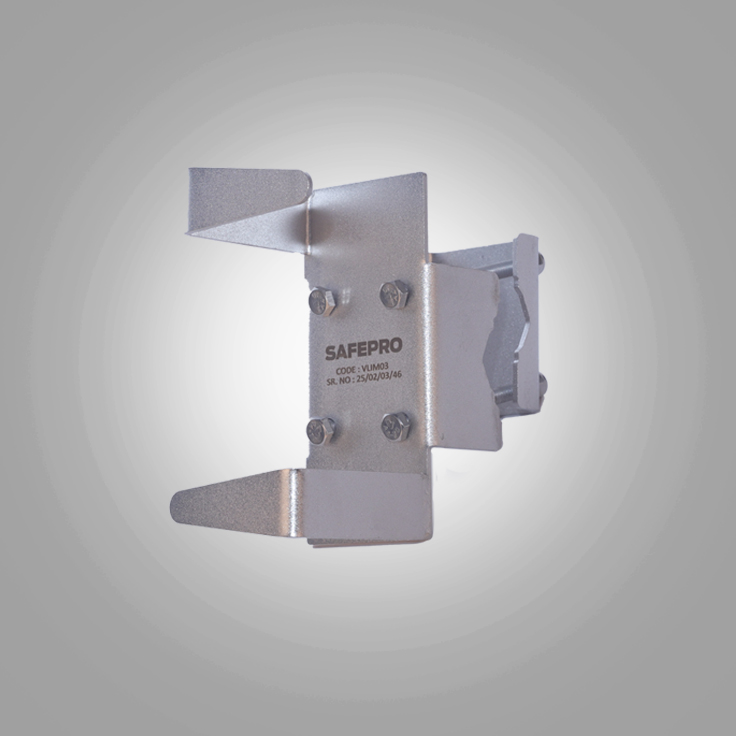
Basic Intermediate Bracket
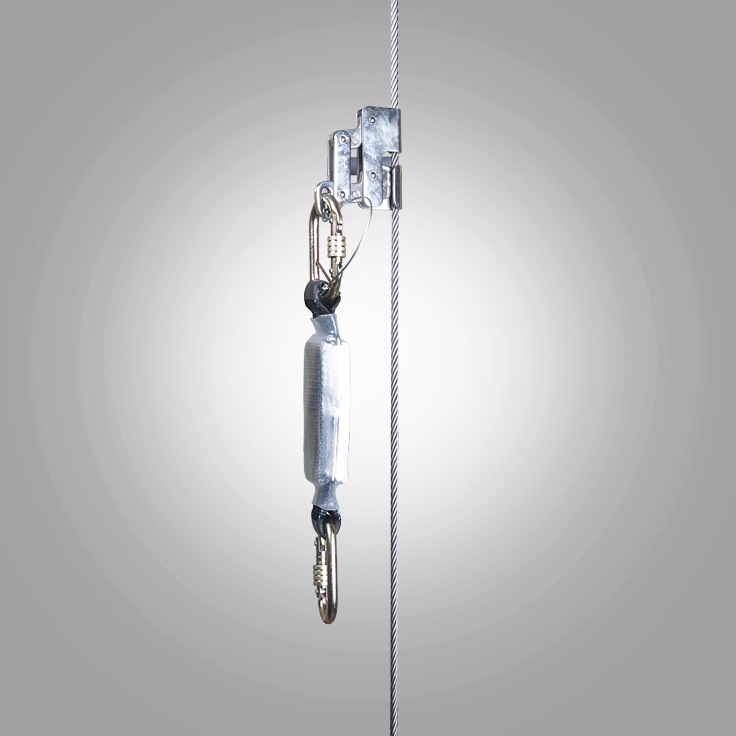
Fall Arrester with webbing energy absorber
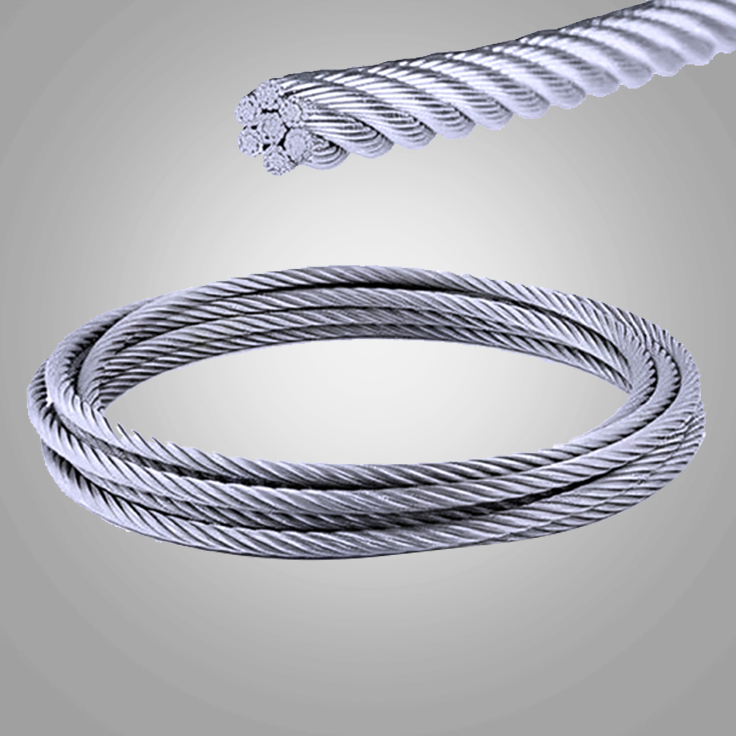
Wire Rope
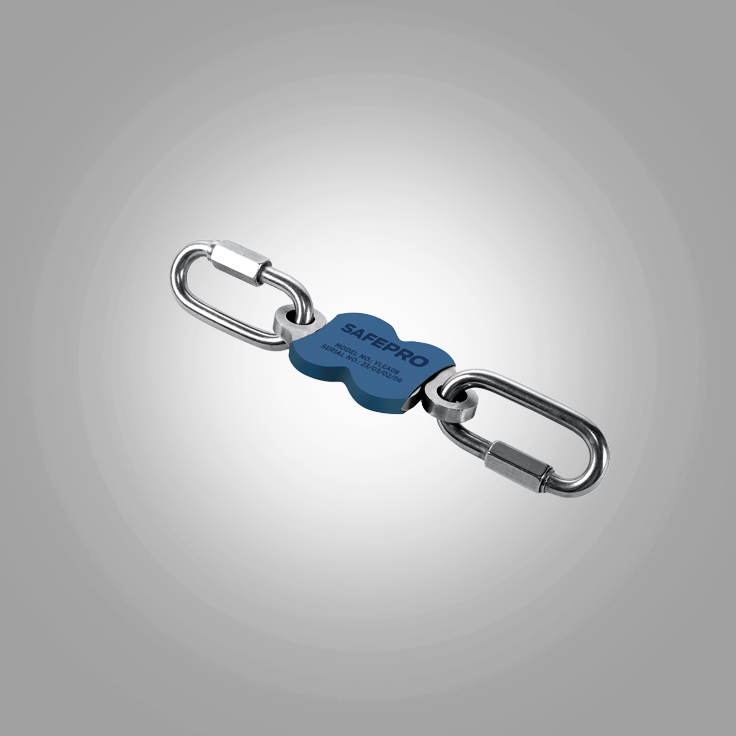
Energy Absorber
Features
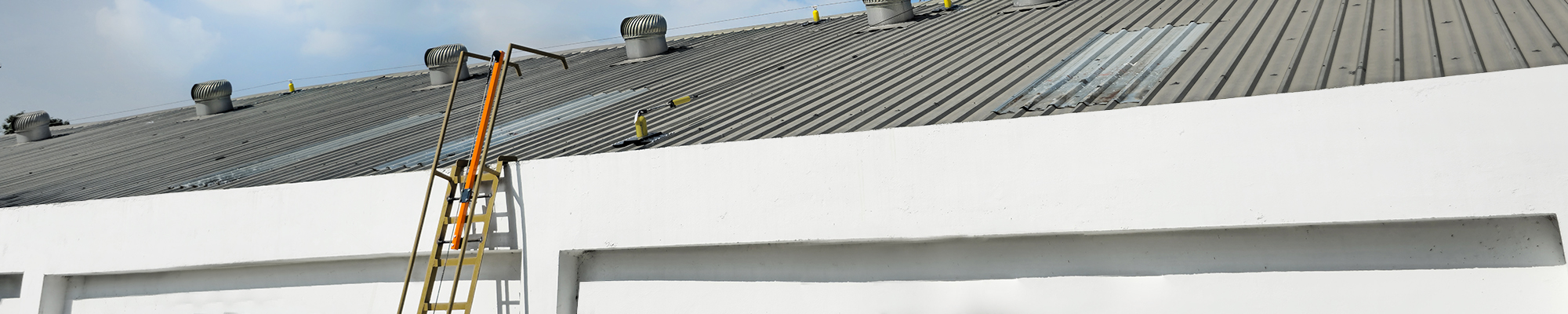
Corrosion-Resistance
Made of corrosion-resistant stainless-steel, our entire system can perform well in adverse conditions.
Installation Ease
Our vertical lifeline system is quick and easy to install with an absolute single-hand operation.
Hands-Free
You can trail hands-free using our vertical lifeline while climbing and descending.
Spring Mechanisms
Our vertical lifeline has spring activated mechanisms that always move the device back to its initial position.
Dual Locking Feature
Our dual locking mechanism prevents accidental unlocking of the device from the cable.
Instant Locking Feature
In case of a fall, the device instantly locks securing the worker from hitting the ground.
In-Built Energy Absorption
The built-in metal energy absorber reduces impact forces on the user in the event of a fall.
Fall Indication
The fall indicator of the lifeline provides for ease of inspection.
Structural Compatibility
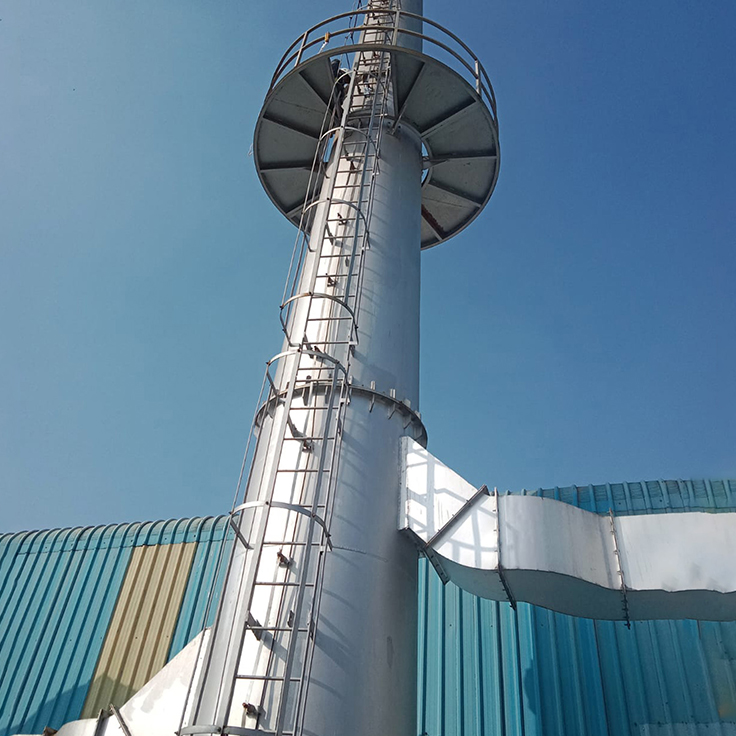
Chimney Ladders
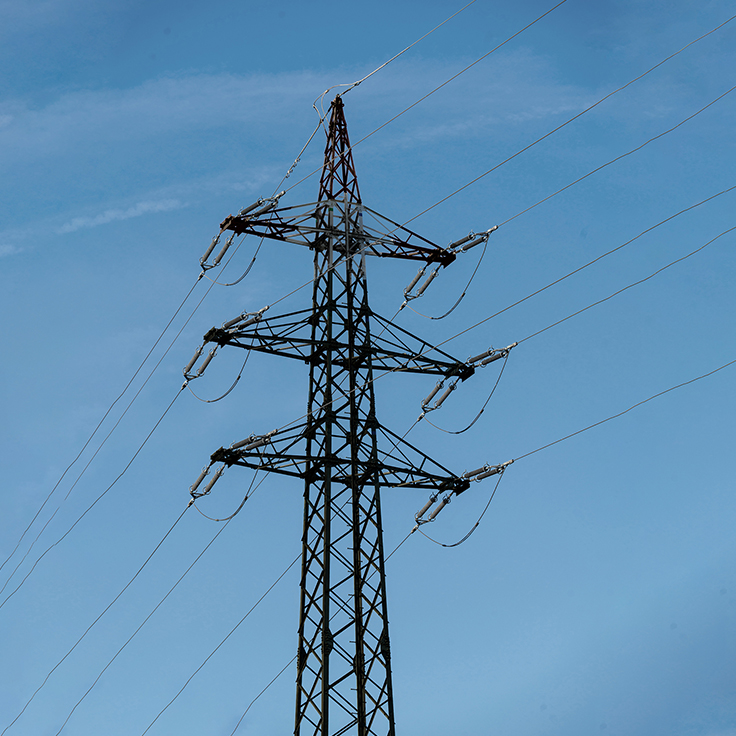
Transmission Towers
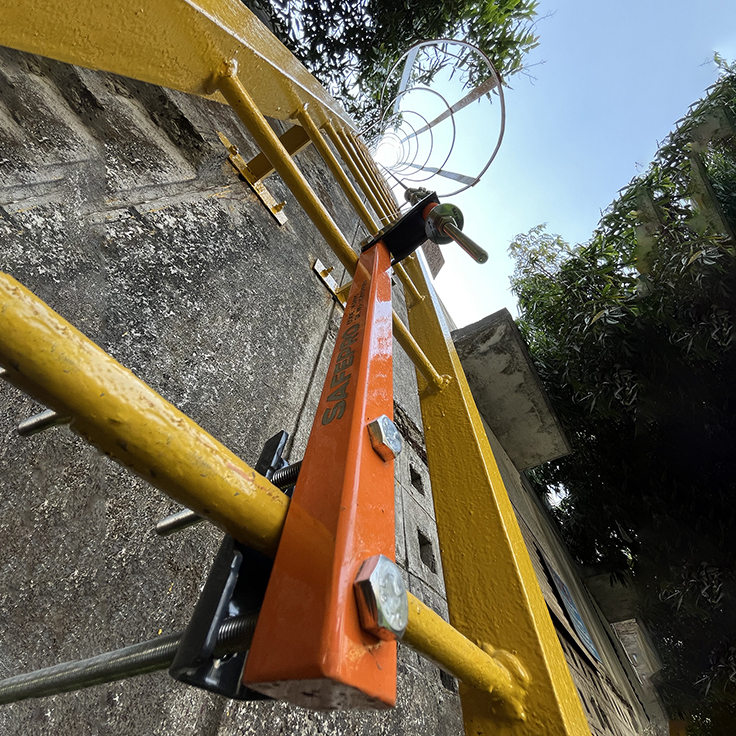
Industrial Ladders
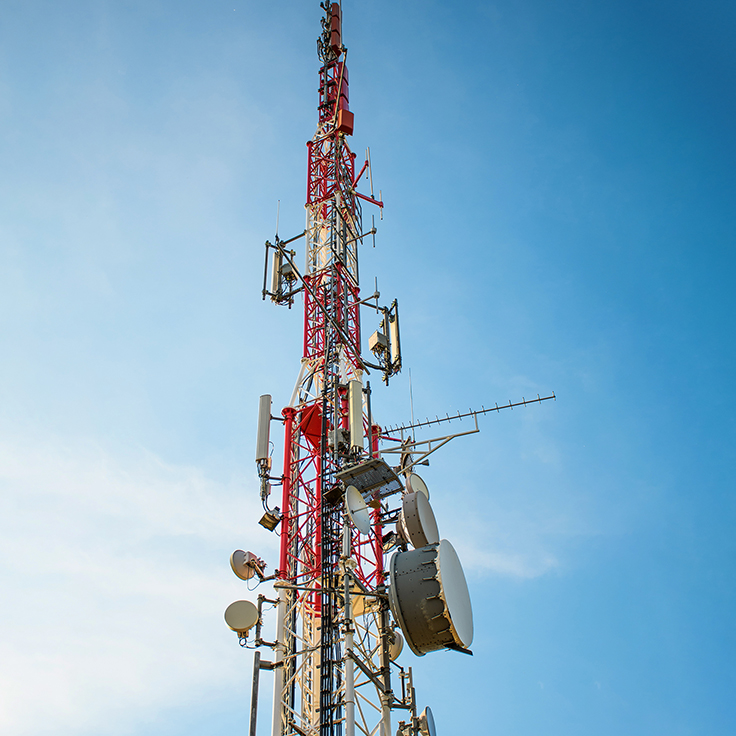
Telecom Towers