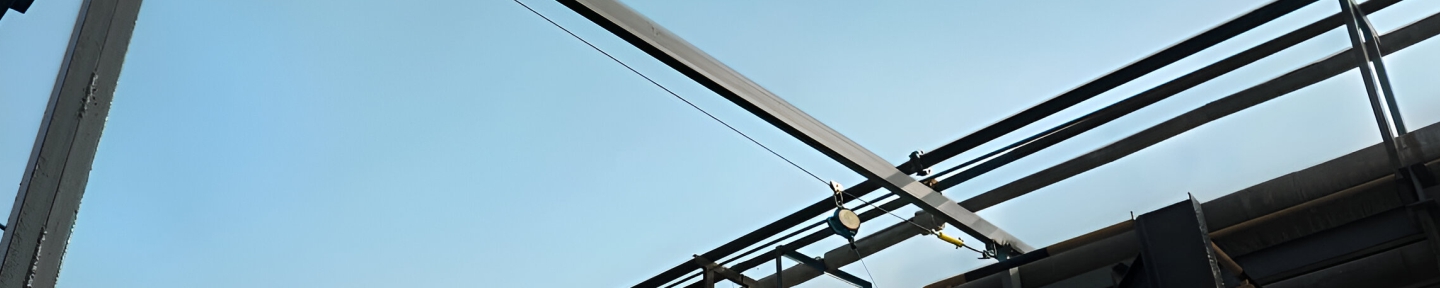
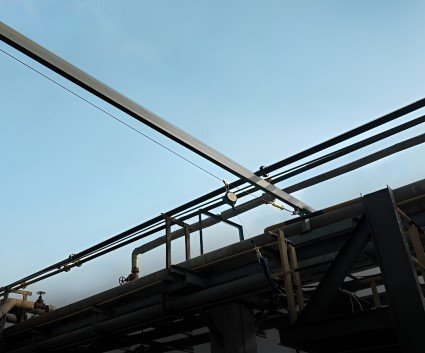
SAFEPRO Overhead Lifeline
An overhead lifeline is an important safety tool designed to keep workers safe when they’re working at heights. It provides a strong anchor point above, allowing workers to move around freely while staying securely attached. This helps prevent accidents like slips or falls, which can happen easily when working on elevated or narrow surfaces. With an overhead lifeline, workers can focus on their job knowing they have reliable fall protection.
These lifelines are used across many industries because they’re so versatile. In transportation, they help protect workers inspecting trucks or trains from fall risks. In oil and gas, they keep people safe on rigs and platforms where working conditions can be tough. Mining operations also rely on overhead lifelines to secure workers on elevated walkways or tricky surfaces. Because these systems can be adjusted to fit different environments, they’re a flexible safety solution that meets the unique needs of various workplaces.
Using an overhead lifeline is not only about following safety rules, it’s about creating a safer work environment. These systems reduce the chances of serious injuries by preventing falls and keeping workers confident while they work. With better protection in place, teams can stay productive and focused, helping companies avoid disruptions and costly accidents. Overall, overhead lifelines are a smart way to protect workers and keep operations running smoothly.
Terminology
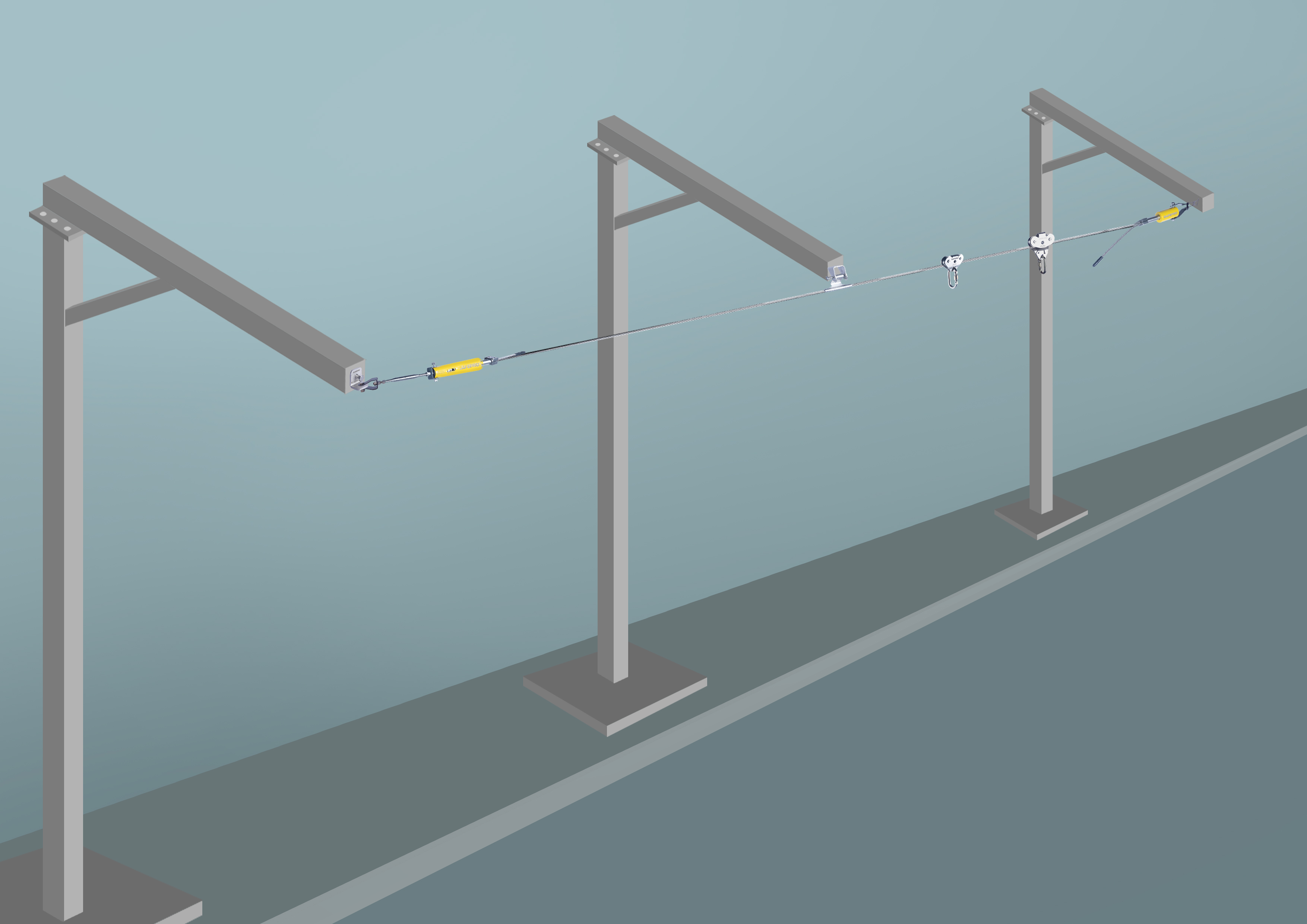
Components
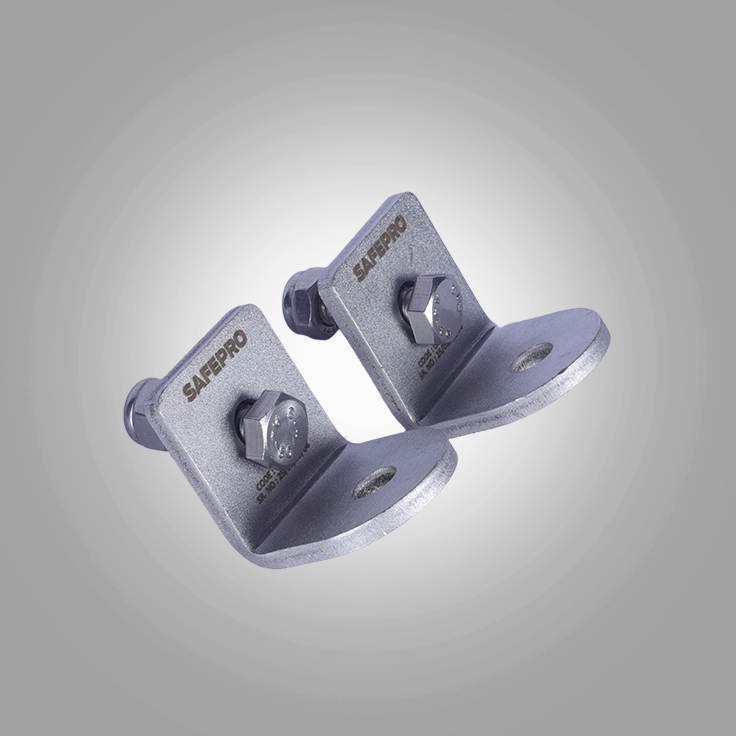
End Anchor Plate
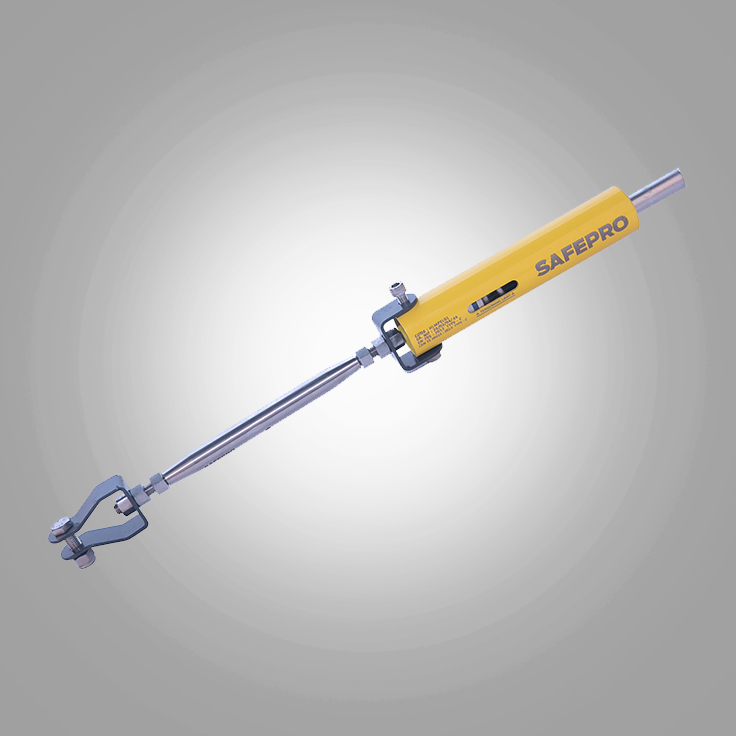
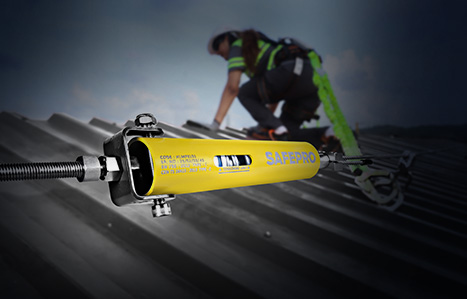
All In One
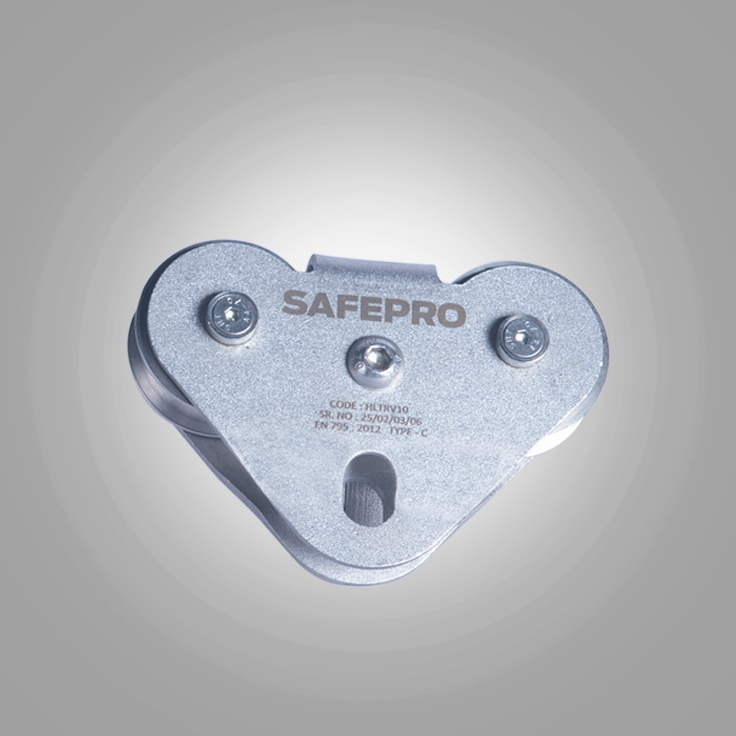
Tandem Pully
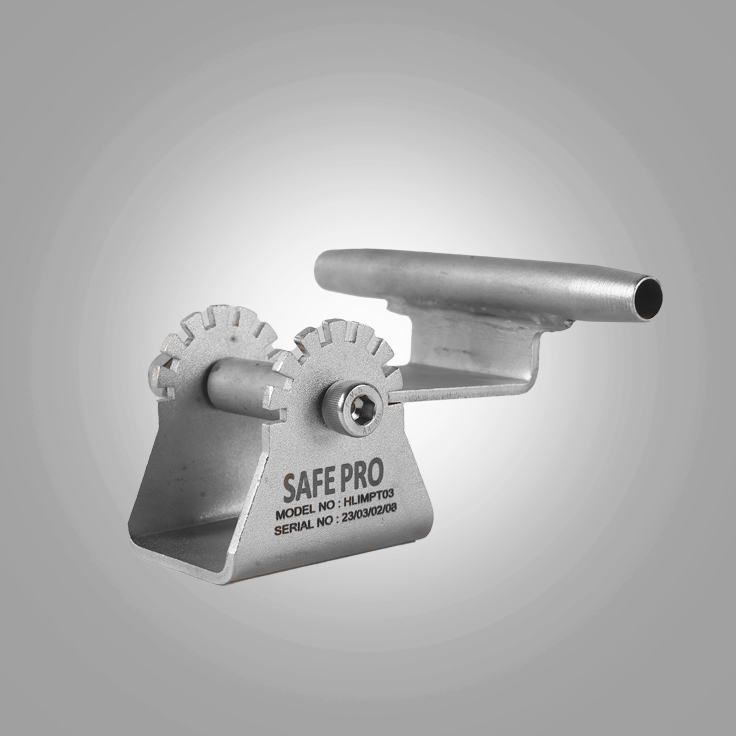
Intermediate Bracket for Overhead line
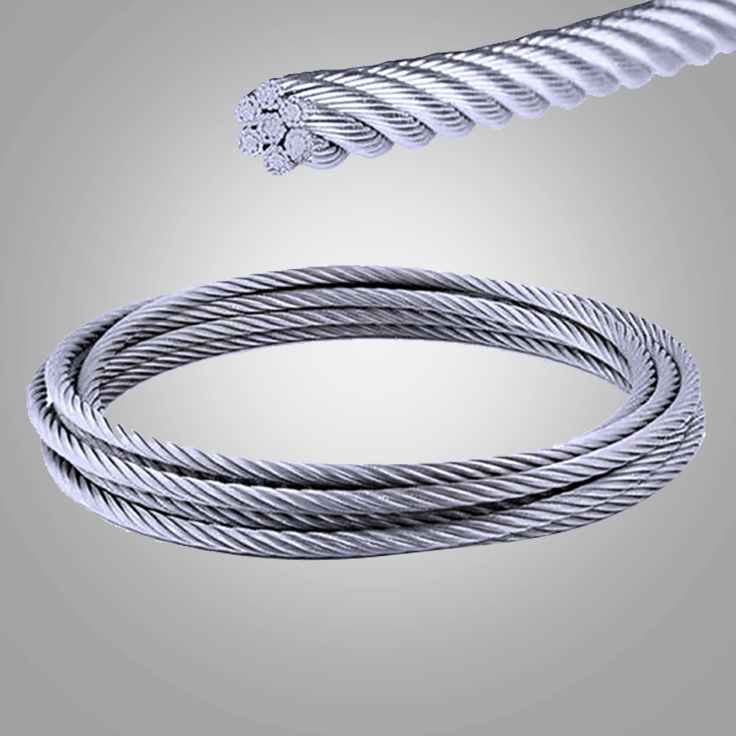
Wire Rope
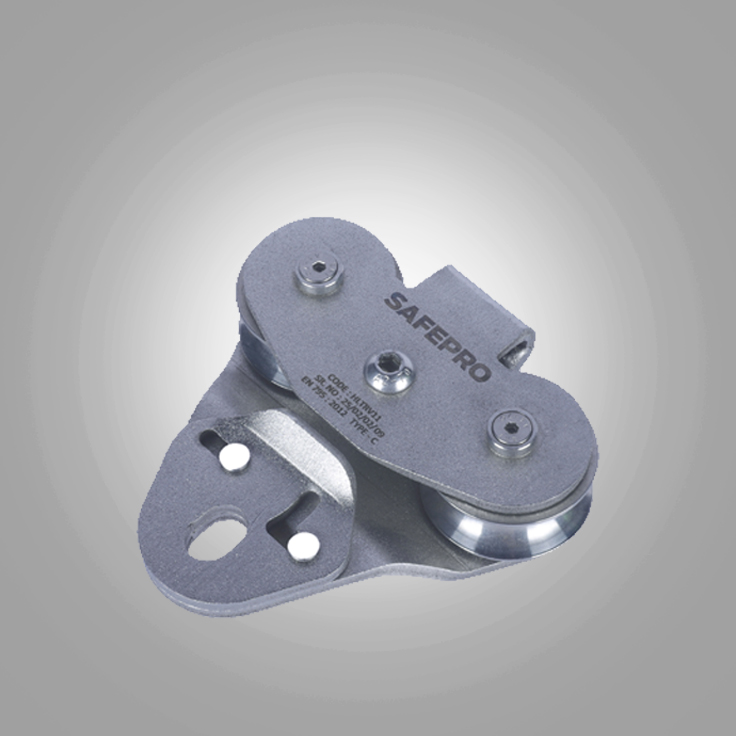
Intermediate Pass through Runner
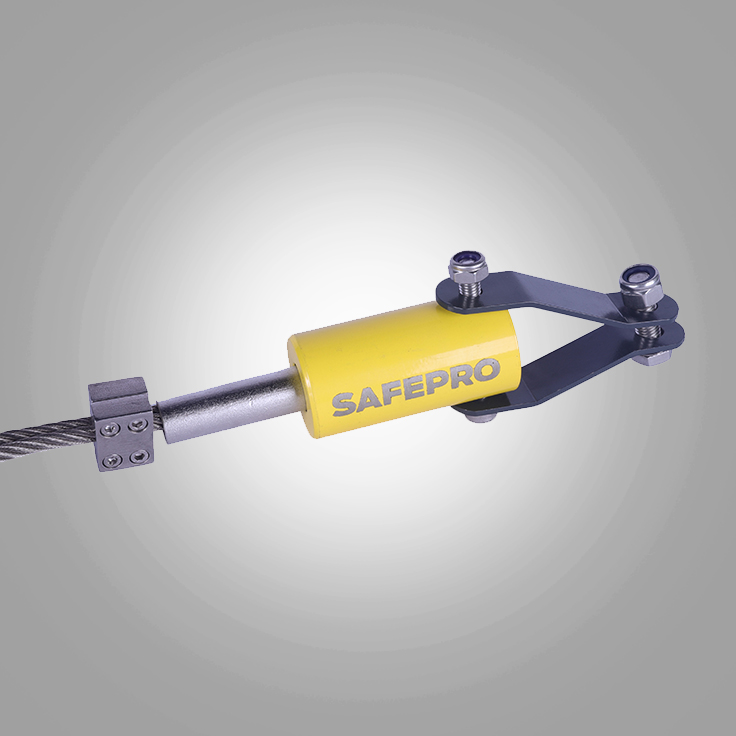
End Terminal

End Bracket
Features
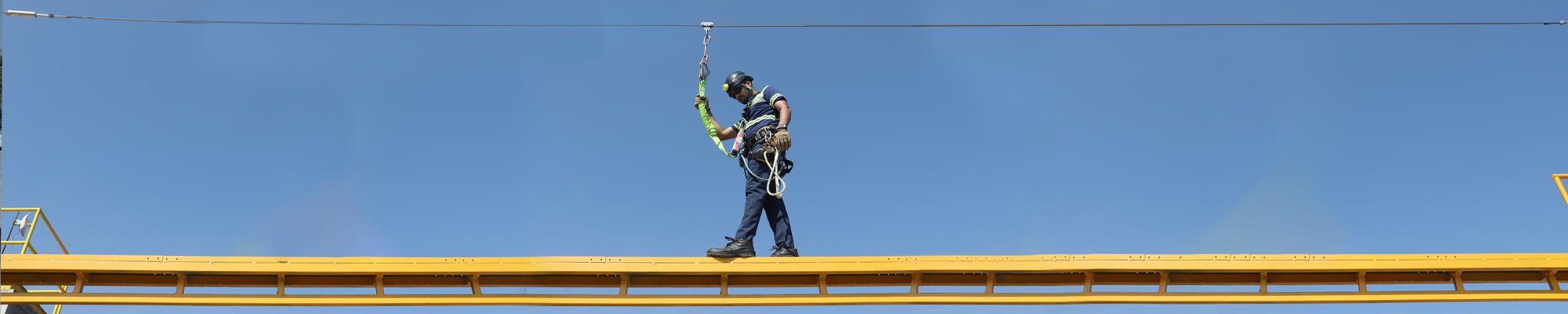
Flexibility
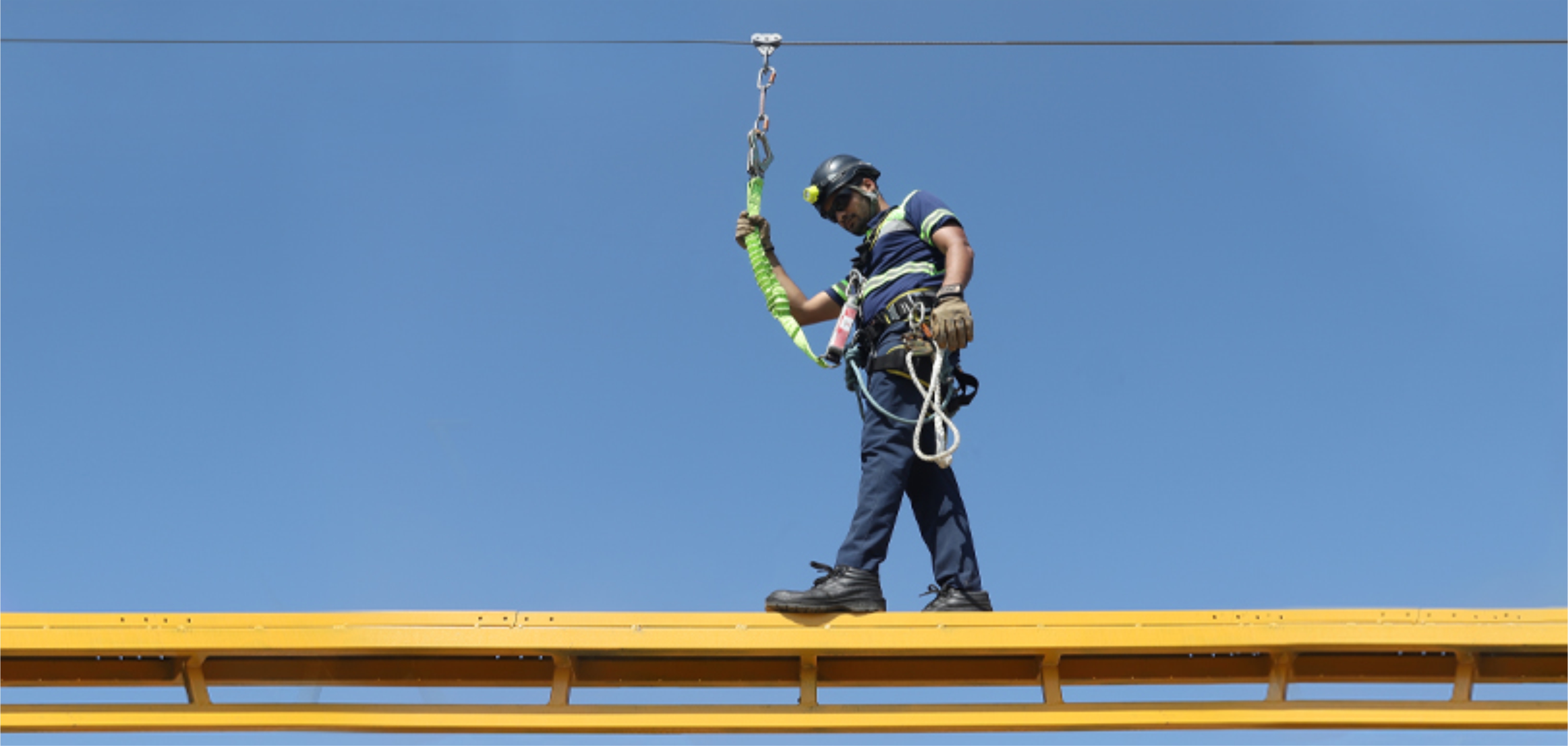
Our wire rope-based systems offer unparalleled flexibility. Our engineers are able to develop and install both single and multi-span overhead horizontal lifelines that accommodate any railcar, truck, or any other application.
Multi User
Our cable-based systems allow multiple workers a comfortable and safe access to all working areas of aircrafts, railcars, trucks, etc. Maintenance personnel can safely and efficiently access the entire length of any railcar or truck.
Continuous Fall Protection
Our unique and patented overhead shuttle unit glides freely over stainless-steel cables, providing continuous protection across the entire length of the system.
Engineered Efficiency
Our wire rope-based systems include our built-in user-friendly All In One which includes tension indicators, energy absorbers, fall indicators, tensioners, and end cable termination.
All-Weather Use
Our overhead lifeline systems are all weather use for optimum productivity.
Durable Construction
Crafted with high-quality stainless steel components, the system resists wear and corrosion, ensuring long-term reliability even in demanding environments.
Easy Integration
Designed to seamlessly integrate with existing structures and equipment, the lifeline can be customized for quick installation without major modifications.
Enhanced Worker Comfort
Designed to minimize resistance and smooth movement, the system reduces fatigue during long hours of use, helping workers stay focused and safe.
Structural Compatibility
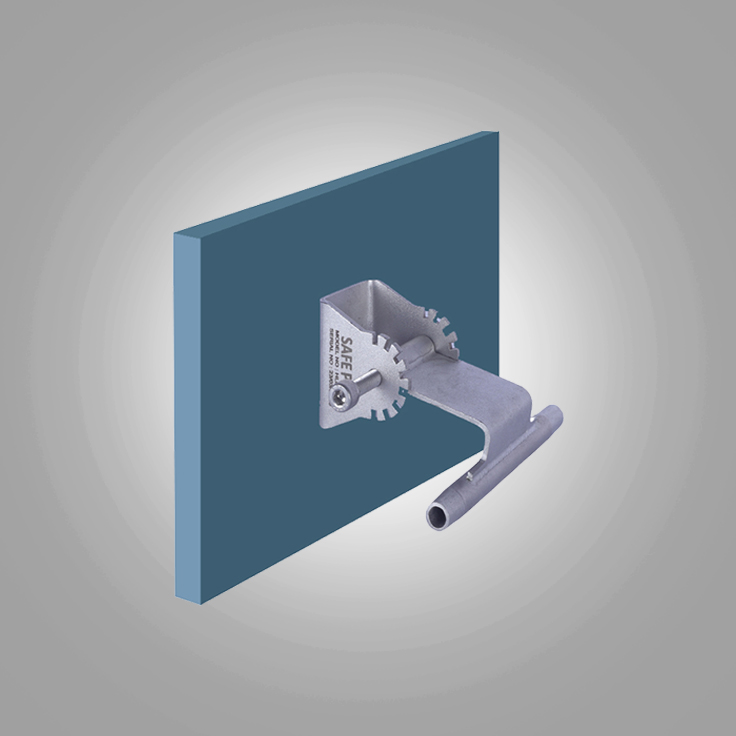
Concrete Structures
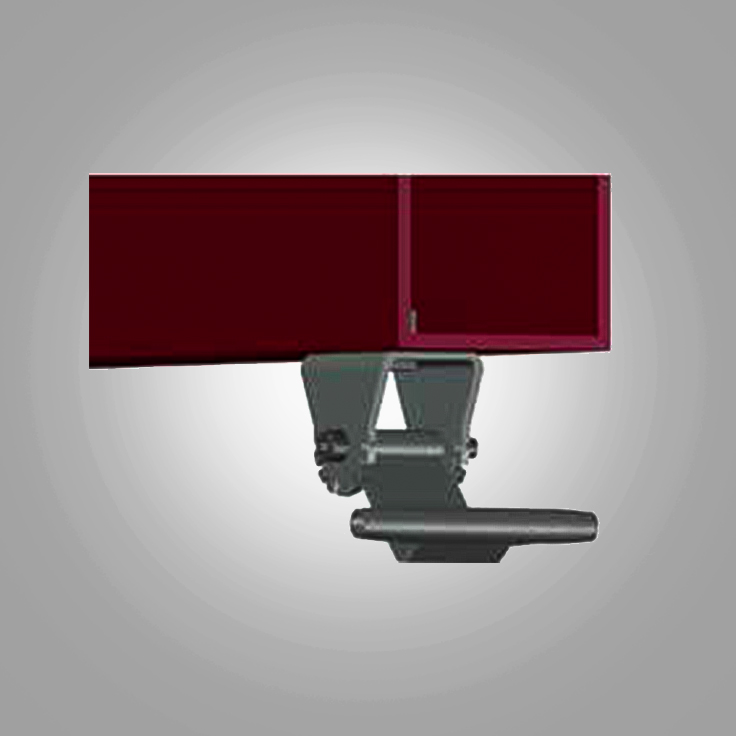
Steel Structures
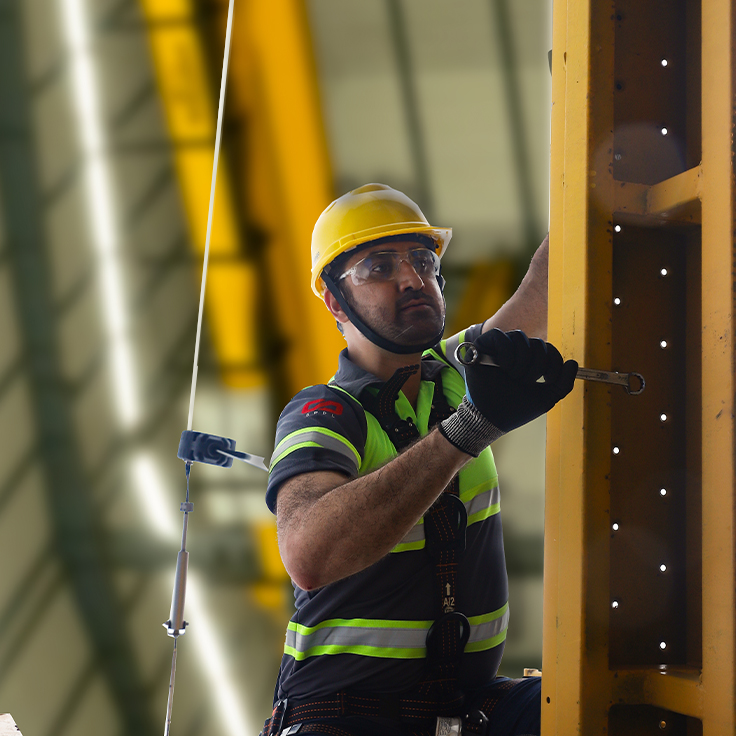
Crane Bay
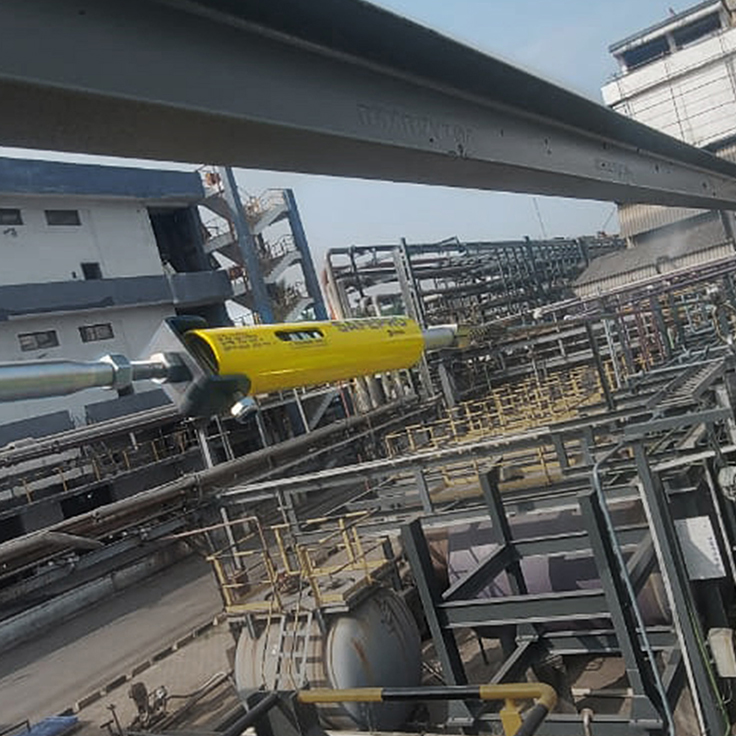
Pipe Rack